-
Fashion in christmas films
-
How the cost of living crisis is changing the way we shop: Why the high street is struggling?
-
Guinness into fASHION
-
The Early 2010s return to pop culture
-
The Power of a partnership
The importance of brand collaborations
By Holly Williams
Collaborations are a powerful tool when it comes to the fashion industry, and they have no sign of going anywhere.
H&M is no stranger to the world of fashion collaborations, from 2004 they have been bringing luxury names to the high street. With their collaborations creating a buzz in the industry and selling out in minutes.
From its first collaboration with Karl Largerfeld to their Mugler collab back in 2023, they have set the tone for a variety of different brands in and around the fashion industry. The Mugler collaboration is one that many people focus on when they think of collabs, with bold designs and buzz across social media platforms.

Collabs have become essential for brands, especially when their consumer base is dwindling. An impactful collab between designers and industry leading brands is essential. It can be a new lease of life for brands as consumers begin to get familiar with luxury products but for a lower price point.
Social media spirals around a brand collaboration, helping to engage customers across every market. Essentially offering them a 2 for 1 deal, nothing is quite like it. A single teaser from a brand can spread conversation across all demographics and among many markets. People love to be involved in events, such as engaging with brands when they are launching a new collaboration.
Overall, a collab offers an experience for consumers and they have a need to be involved in this. When two brands merge for a one off collab, it is exclusive, accessible and provides a deal people can’t refuse.
So, if it is another H&M collab, Disney X Ganni or SMEG x Dolce & Gabbana, we will keep queuing for hours!
-
The Beauty of Autumn Slowness

By Chloe Roberts
Autumn is the season for slowing down as the new year rolls around. Temperatures are dropping, and leaves are turning golden as we take in what we see around us — the crisp air, leaves beneath our feet and the comforting aroma of warm drinks and baked treats.
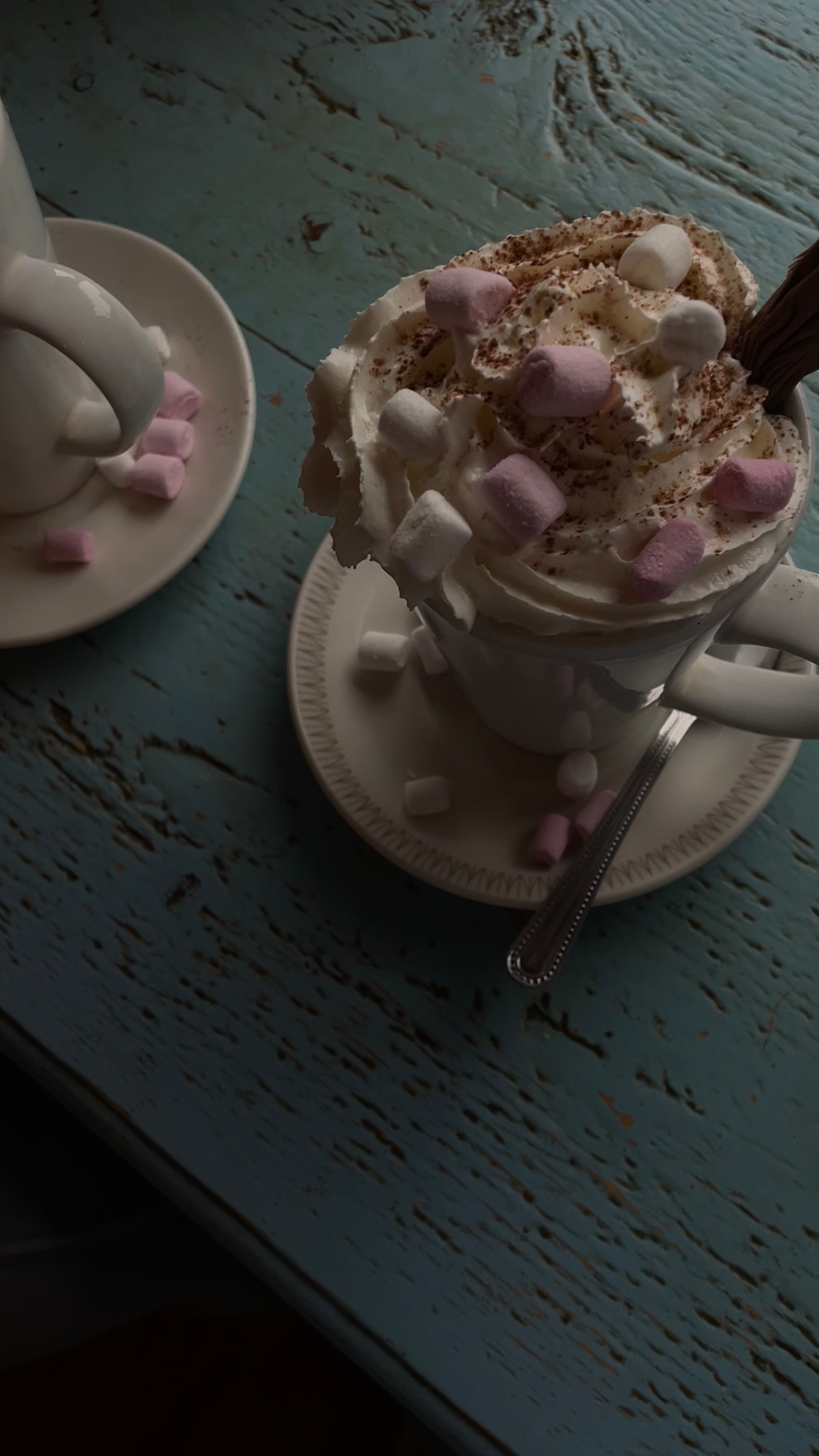

The change in season is my favourite when I get to layer up in scarves, chunky knitwear and cosy coats, making every walk into town feel like a small autumnal ritual. It is the time of the year to pause and reflect at every given opportunity, appreciating the moments that would usually go unnoticed. Take yourself on walks, coffee dates and fall in love with the stillness that defines the autumn season.
Last weekend, I had a slow afternoon with a matcha latte in hand, taking a moment to pause and reflect before the holiday season’s rush. Autumn is a time for slow living and being present, appreciating the social moments that come with the autumn season and its traditional festivities. It is the season for pumpkin picking, which is one of my favourite activities during this time of the year. There is something so enjoyable about wandering through fields, searching for the best pumpkin to carve for Halloween and then placing a tealight inside and letting the warm light glow on a cold evening.

Bonfire night is another autumnal activity that I have made a tradition of every year, discovering new places to watch fireworks and soak in the warmth from the crackling bonfire brings me happiness every time it approaches. There is something so magical about watching fireworks light up the sky with bursts of colour, accompanied by the aroma of burning wood and dark clouds of smoke, while being wrapped in thick coats layered with scarves, feeling a deep sense of comfort and contentment.
-
Met gala reveals its ‘Costume Art’ theme for 2026

By Taylor Cambridge
Fashion’s most anticipated event of the year has once again sparked global conversation after revealing its 2026 theme – months before the iconic first Monday of May. On Monday the 17th of November, Metropolitan Museum unveiled the exciting news for its spring 2026 exhibition that will celebrate the artistry of fashion through the theme ‘Costume Art’. The Instagram announcement described the theme as an inaugural exhibition that will cover nearly 12,000 square-feet of gallery space to display the annual spring show.
The theme not only highlights the idea of dressing the body in an artistic expression, but marks a monumental shift in fashion. The use of craftsmanship and visual storytelling in the garments will create a new era where fashion is not seen as a design but rather an art form itself. Next year’s met gala is set to debut the new Conde M. Nast Galleries, representing the first dedicated fashion galleries that will bring together 200 pieces. Featuring both historical and contemporary garments from the met gala together, it is said to illustrate ways the dressed body threads through every corner of the museum.

The Met Gala, widely referred to as ‘the Superbowl of fashion’ will take place on the 4th of May 2026. As always, fans can expect to see their favourite celebrities such as Rhianna, Zendaya, Lewis Hamilton and the Kardashians likely dressed in Louis Vuitton, Chanel, Prada and other global brands.
Although the event is still months away, excitement is already high for fans who are eager to see how designers will interpret the theme with predictions of 2026 being one of the most visually creative and dramatic. For now, all we can do is wait to discover what artistic looks between the designers and celebrities will be showcased.
-
The Pink and brown palette taking over winter fashion.
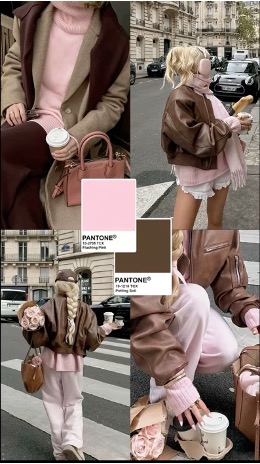
As the days grow shorter and the temperature drops, it’s the perfects moment to bring some warmth and playfulness into our wardrobes – and the current colour combo is brown and pink. Moving away from the understated tones of last year’s winter trends, including black, beige and white, winter fashion is leaning into more nostalgic pairings that feel both cosy and chic. Brown, particularly shades like ‘mocha mousse’, Pantone’s Colour of the Year 2025, and dark chocolate was a dominate colour trend across the 2025 fashion weeks. Pink was also prominent, spanning a spectrum from ‘wispy pink’ to deep magenta. The pairing of the two has been highlighted as an irresistible colour pairing for the season.
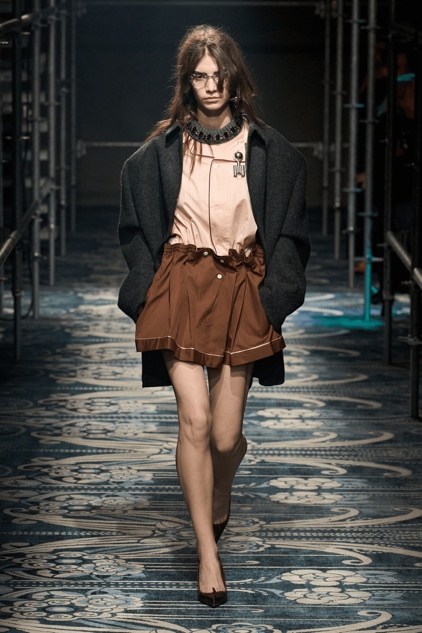
On the Autumn/ Winter 2025 runways, designers leaned into this contrast in imaginative ways. At Fendi, delicate, lingerie-inspired blush separates sat alongside plush brown and faux fur, evoking the glamour of old Hollywood. Tory Burch offered a more restrained take: tailored brown jackets layered over silk maxi skirts in muted pastel pinks. And Prado brought a relaxed, slumber party feel by pairing pale-pink, pyjama-like shirts with soft high-waisted cotton shorts. https://www.vogue.co.uk

Ways to wear pink and brown this season.
You can style pink and brown accessories by focusing on balance, texture and tone. Start with brown as your base, think a chocolate coat, or bag and use pink as highlight for softness and contrast. For example, a brown leather tote paired with a blush silk scarf or rosy toned hat and gloves can brighten up neutral winter layers. Play with materials like suede, faux- fur, stain or chunky knits to add depth. If you’re feeling bolder, reverse the pairing: a pink handbag with brown sunglasses or a caramel belt. The gaol is contrast without clashing- warn rich browns make pink feel elevated and grown-up.
-
DEPOP VS VINTED
WHO IS BETTER?
By Ella Hodson
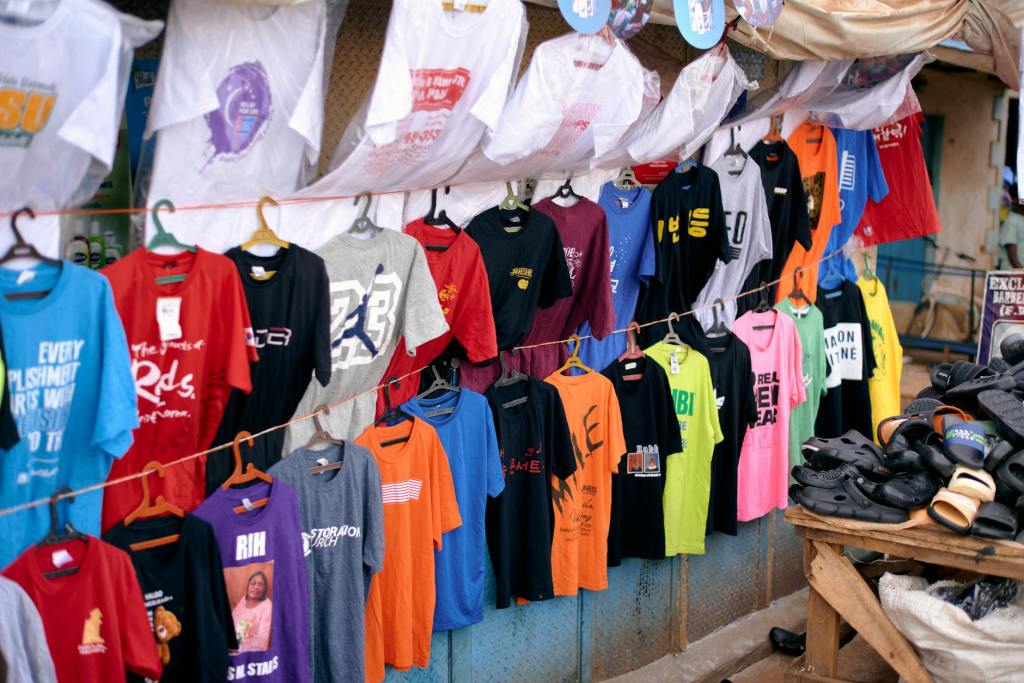
Depop and Vinted are both pre-loved phone apps known for selling secondhand clothing, accessories, footwear, jewellery and much more. Depop founded in 2011 began as a fashion based social media platform, however, quickly turned into a thrifted marketplace. Vinted began in 2008 in Lithuania it originated from one of the founders moving house and she wanted a way of selling the clothes she no longer needed. Together they created a website where users could trade clothes, then came the beginning of Vinted.
Both apps provide opportunities to interact with other users, find discounts and to easily adjust your listed items, they cater to everyone Male, Female, Unisex and even children’s clothing.
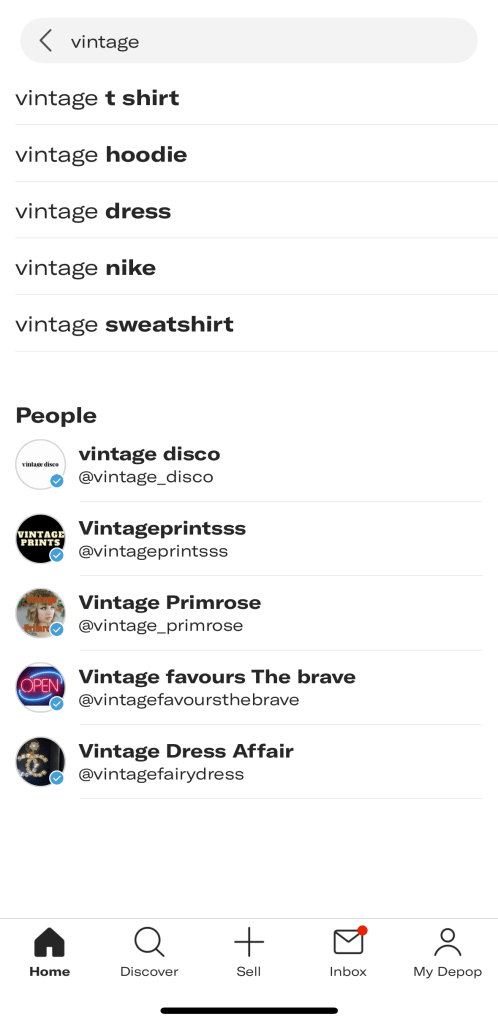
Depop has a lot of small businesses that offer new products that are handmade and brand new, ready to wear. Whilst handmade items can be seen on Vinted, Depop is the go-to place for wanting to find unique items of all variety. In Addition, Depop is a great network for amazing vintage finds! Although some can be found on Vinted, Depop has exact businesses for this certain customer audience that you can search and find with a lot of options.
Vinted Depop

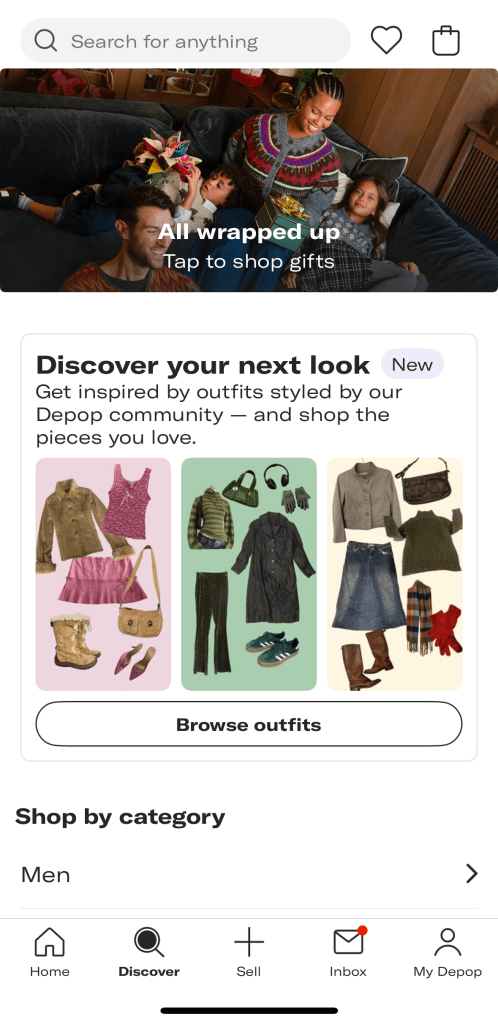
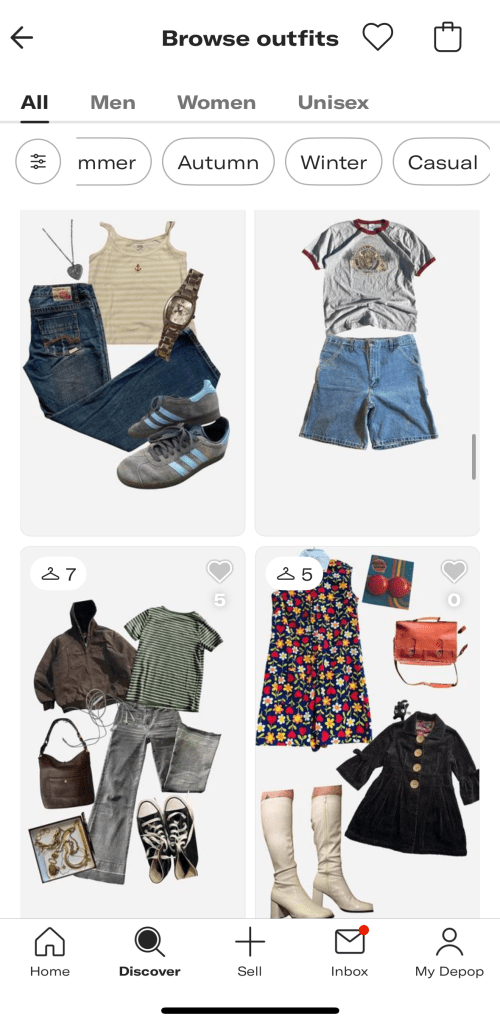
They also have a feature where you can create and put outfits together on a vision board to give inspiration to other users.
A main difference between these apps is the selling process, particularly, the fees. When selling an item on Depop they take 10% of your profit similarly to another marketplace network eBay, which is a decent chunk of your overall seller profit. Vinted does not take any amount from your selling profit, instead they have a system in place where the sellers pay a small fee to ensure safe transactions this is covering buyers’ protection, they do not take money from sellers. This is not an optional fee but claims refunds and processes money securely.
Depop processes sending and receiving money through PayPal, needing users to have a PayPal account, although Vinted allows money to get added to your own balance on the app that you can send to yourself on any banking app you like. So, when buying and selling second-hand items both are solid options to choose from, however, Depop does charge a higher fee. If you want a lower cost selling process, Vinted is the one you want. On the other hand, Depop has vintage, thrifted, brand new handmade items and have latest trends so has that higher price point and is worth paying if that’s more to your style!
Which is better?
-
A Different way to Parisian Fashion-The shein study

By Jessika Baker
As Shein opening its first physical store in Paris, the French capital has entered a new chapter in its fashion history. Once described as the epicentre of chic styling and aristocratic shopping, the city now reflects a shifting paradigm shaped by global trends and growing consumer demand.
This shift has been underscored by the arrival of online fast-fashion retailer Shein at the Bazar de l’Hôtel-de-Ville this November, a move that has drawn attention from consumers, retailers, and policymakers not only for its unexpected placement among luxury houses but also for what it suggests about the future of Parisian fashion.
Paris and fashion go hand in hand. Stretching back centuries to Marie Antoinette’s 17th-century Robe à la Française, fashion reflected a period where the larger the petticoat, the greater the status. By the twentieth century, a new era of haute couture was formed, led by Christian Dior and Coco Chanel, whose pieces became immortalised in fashion history. Paris established itself as the birthplace of trends and innovation, setting standards that influenced wardrobes worldwide. With a long history and an established reputation as host of one of the most exclusive Fashion Weeks in the world, design has continued to be a defining pillar of Parisian identity. Yet global changes have noticeably reshaped the way the city moves, challenging more traditional paths.
Shein’s move into retail follows scrutiny faced in recent years, including allegations surrounding labour practices and a stalled attempt to list on Wall Street in the USA. Despite this, Shein told the BBC that France is the “natural choice” for introducing its in-person retail strategy, with more stores expected to follow.
The opening continues to raise questions about how the brand will fit into Paris’s established fashion landscape. The store sits alongside luxury names such as Chanel and Givenchy through a partnership with the retail group Société des Grands Magasins. Its placement adds another layer of discussion: Shein adds up to two thousand pieces of clothing to its site daily, compared to luxury brands, which may produce around a thousand pieces in an entire year. This extreme scale is not just one to compare, it is one to analyse and consider when questioning whether a company producing at Shein’s speed fits comfortably alongside brands that do not.
This topic has sparked varied opinions. Holly, a student on the YSJ Fashion Marketing course, described the choice of location as “a strange one,” saying that “Paris is not the ideal location” given the city’s fashion reputation. She added, however, that the store may still offer convenience for shoppers looking for an affordable, last-minute purchase.
Some people, however, have stronger views, which became clear in the days leading up to the opening, as large crowds formed and expressed mixed reactions and expectations. While 50,000 people arrived to see the opening, as stated by Frédéric Merlin, President of Société des Grands Magasins, to Forbes, a contrasting opinion was shown through a petition signed by over 120,000 people condemning the store’s launch. At the same time, French authorities began examining tighter regulation of Shein’s online operations, even moving toward a possible suspension of the online store if its products and models are not changed.
The contrast between expanding its physical presence and facing growing restrictions due to its practices brings an irony you would normally only expect from a comedy film.
With Shein now placed within Paris’s retail landscape, it continues to raise the question: what does this really mean for fashion’s current climate, and how will Shein balance its position within the French fashion capital? Is it simply a convenient addition for budget-conscious shoppers, or does it signal a genuine shift in Paris’s traditionally aristocratic position in fashion? It is not simply a single store opening; it symbolises a true shift in an evolving industry. But if history teaches us anything, Paris is no stranger to new advancements and will surely find its footing in this fast-paced new world of fashion.



-
Subscribe
Subscribed
Already have a WordPress.com account? Log in now.
 This is Fashion Social